
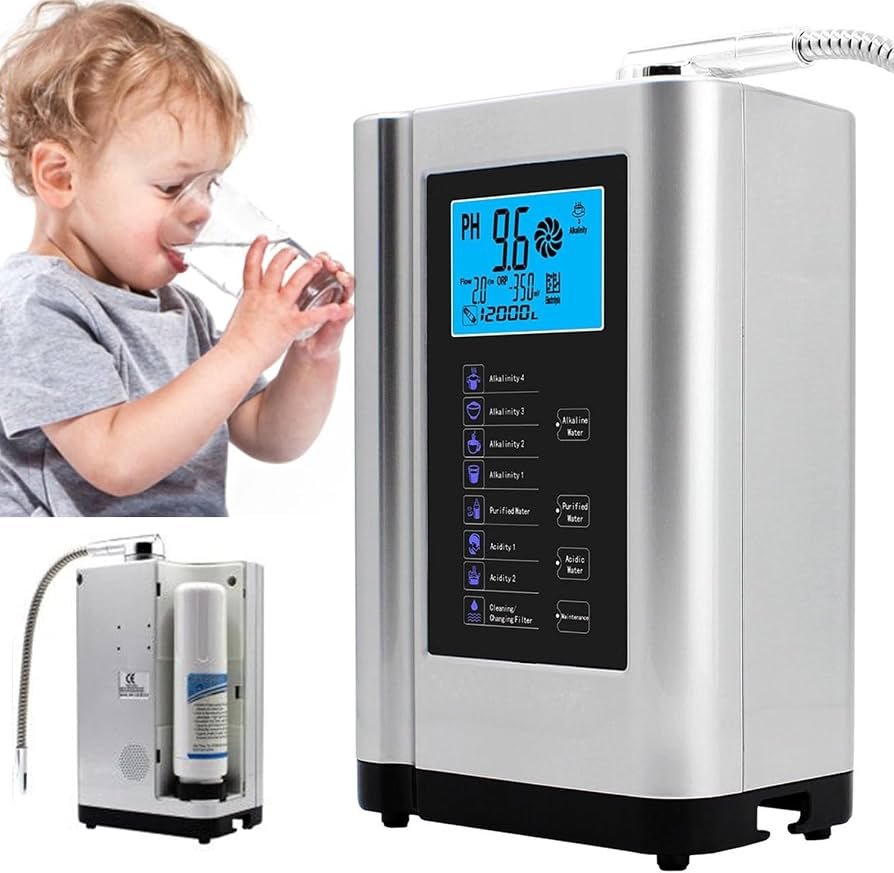
TL;DR A demonstration is a chance to see what you’ll do every day. Ask the presenter to show installation, normal flow and cartridge replacement.
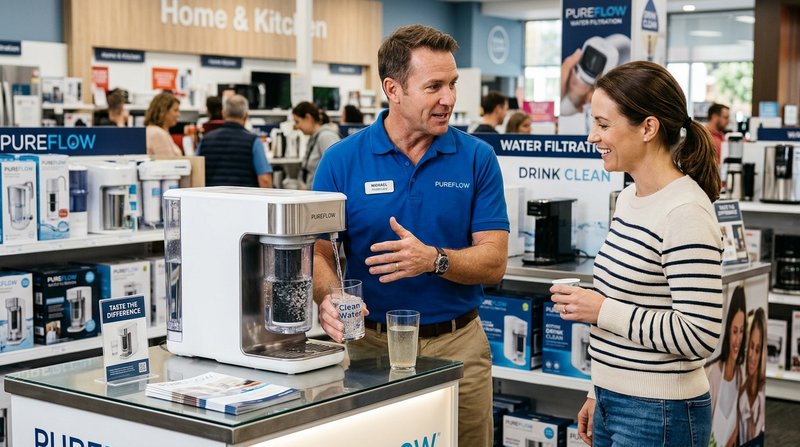
If you’re watching online, find out whether the unit in the video is the exact one you are considering. See how the cartridge comes out and whether you could manage it where you plan to install the unit.
I’d write down any contaminant claim as it comes up, then look for the matching test result. A clear video can show you the controls and fittings. A lab report answers the questions the camera can’t.
Start with what you can check
For this question, I’d begin with the exact model on display. It gives you something specific to work from. Then bring in a demonstration of changing its actual cartridge. Give yourself enough time to look at each properly. A ten-minute check done with care can answer a question that an hour of reading around the subject leaves open.
Ask the presenter to fill the jug you actually use. If you need two hands to hold it and press the controls, that is worth knowing before you pick a spot for the unit.
Before you start, write down what you actually want to learn. Keep it to a sentence. If the answer would make no difference to what you do next, there’s probably a better question to ask. In my experience, a useful question usually has an ordinary action at the other end of it. You might change how you do something at home, ask a supplier for a particular result, or decide that what you already have works fine.
Look at the result in context
Pay attention to tap flow, access and ordinary handling. If the answer comes as a number, note the units and what was measured. If it comes as something you can see or taste, write a few words while it is fresh in your mind. The note matters because a week later you’ll remember the striking part and may have forgotten the circumstances that produced it.
One thing that can throw you off is accepting a show-floor claim without seeing evidence. It’s easy to do, especially when somebody has shown you a striking result and you’re keen to see it yourself. Work backwards from the claim. What would count as a fair comparison? What else could explain the result? If you can answer those questions before starting, you’re less likely to spend your time on a comparison you have to do again.
Think about where the information came from, too. A result from a controlled setting can answer a precise question, particularly when the conditions are described in enough detail for someone else to repeat it. Your own observations can answer questions about daily use. Give each piece of information the job it can do. Where the decision carries a cost or has a bearing on health or safety, look for evidence that directly supports the decision you are making.
Think about an ordinary day
The decision comes down to whether you could maintain the unit where it will go. Picture the kitchen on a busy weekday. How much time do you have? Who else needs to use the bench or the sink? What happens if you are in a hurry, have guests, or run out of the thing you usually reach for? That is where a small inconvenience can become a reason for putting an otherwise sensible idea aside.
Try describing the process to another person in the house. What would you need to show them so they could do it without you? If there is a setting, part number or timing they need, put it somewhere easy to find. If you are the only person who needs the information, you can do the same for yourself. A note beside the relevant item is easier to use than a long explanation buried in your inbox.
There’s also a cost in time. Count the steps from getting started to putting everything away. If you are buying something, ask what you’ll need again in six months or a year. If you’re changing a habit, think about the smallest version that would still be worth doing. That is often the one you will still be doing when the novelty has passed.
Give yourself a clear next step
Here’s what I’d do first. I’d ask to see the fitting and flush instructions. Then I’d set aside a moment to match any contaminant claim to the report. Do those on a day that reflects how you actually live. A quiet afternoon may make almost anything seem easy. An ordinary morning will tell you more about whether the idea suits you.
Keep a brief record of what you found. Put the date on it and include any detail you’d have trouble remembering, such as the amount, the setting, the source or the name on the label. If you talk to a supplier, write the answer next to the question you asked. If the answer refers you to a report or a manual, keep the link with the note. Next time you need it, you’ll have a place to start.
If the first result surprises you, give yourself permission to check it again. Try to repeat the same conditions once before changing anything. If you change several things together and the result improves, you’ll have a useful observation and very little idea which change did the work. One small comparison at a time is usually enough.
Make the decision when you have enough
Think about what would make you glad you took the trouble to look into water filter demonstrations. A small improvement you can see and use might be enough. A claim that still needs three assumptions before it applies at home can wait. The result may also tell you that there is a different question worth asking, and that is progress in its own right.
I’d stop gathering information once the next decision is clear. You can keep the note for when circumstances change. If a better answer turns up later, you’ll be able to compare it with what you saw, what you read and what you actually did. That makes the whole exercise worth more than a passing impression.
Sources · AlkaWay.com.au